
Follow Me On Social Media!


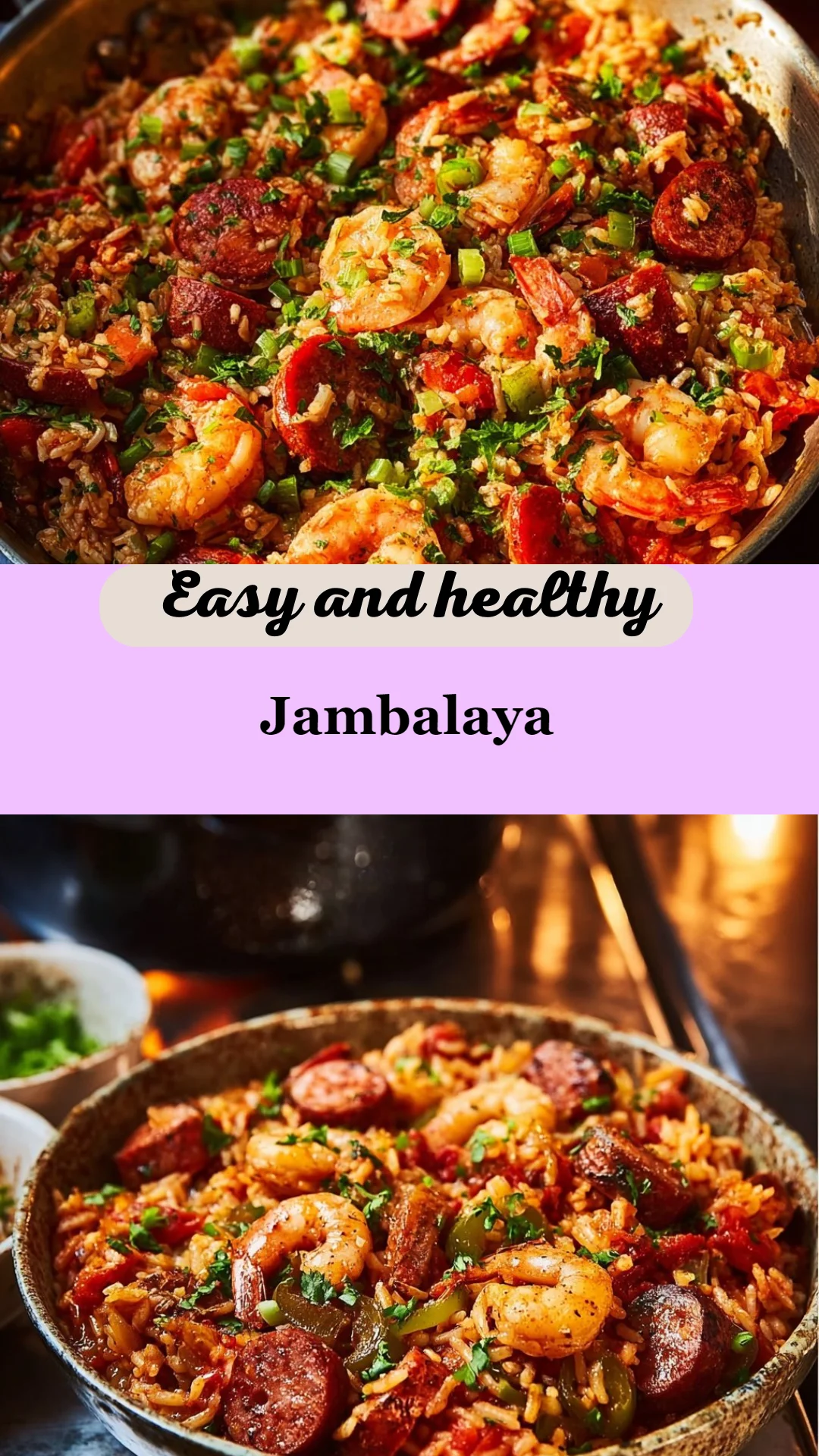
Jambalaya

Jambalaya: A Flavor-Packed Southern Delight
Jambalaya stands out as a classic dish from Louisiana, known for its vibrant flavors and hearty ingredients. The history of jambalaya is as rich as its taste, bringing together influences from Spanish, French, and African cuisines. This beloved one-pot meal beautifully combines meat, seafood, vegetables, and spices, creating a delightful experience for your taste buds. Every savory bite tells a story of tradition and culture, making it a crowd-pleaser perfect for parties, family gatherings, or a cozy dinner at home. Whether you crave a warm and comforting dish or wish to impress your guests with a culinary masterpiece, jambalaya is the answer.
Why You’ll Love It
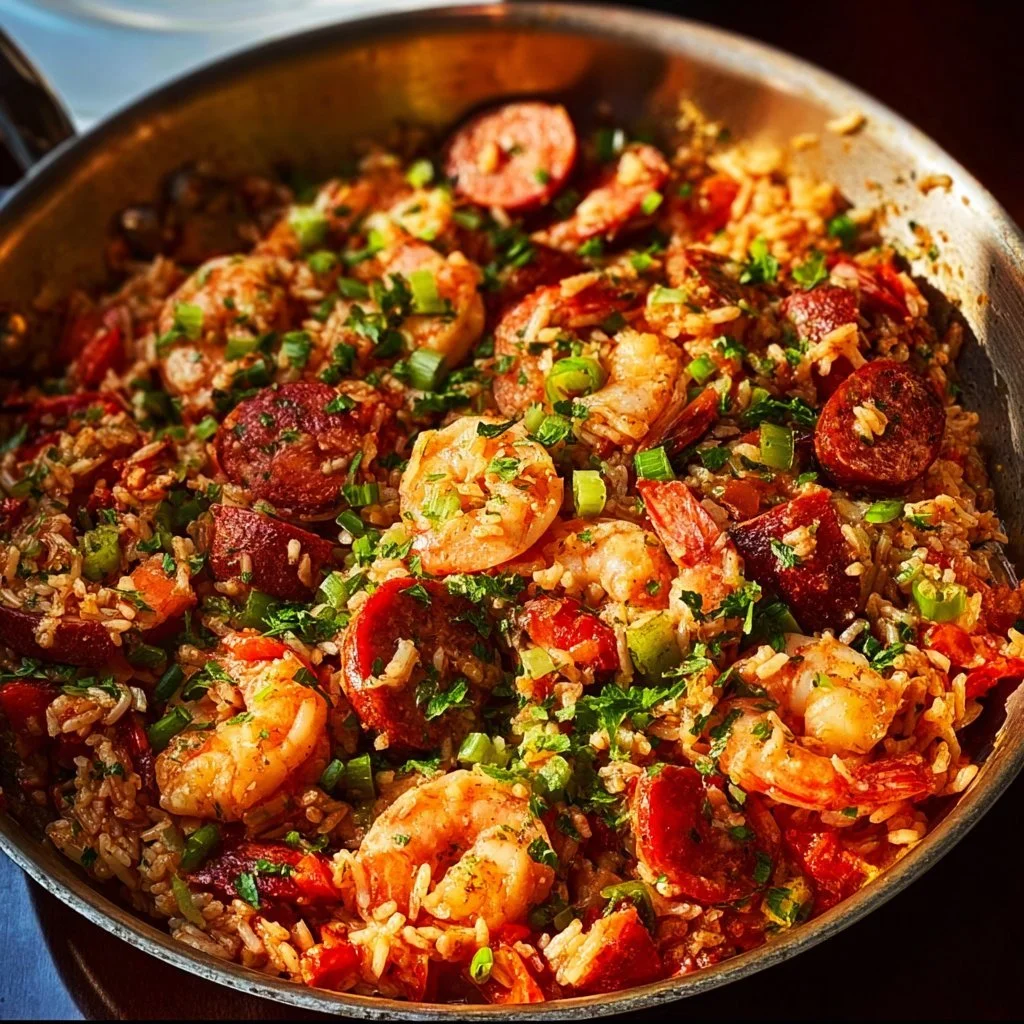
There’s something undeniably special about jambalaya. The combination of flavors—smoky sausage, juicy chicken, tender shrimp, and aromatic vegetables—will transport you straight to the vibrant streets of New Orleans with every spoonful. Not only does it feature a delightful medley of tastes, but jambalaya also offers numerous advantages that make it a stellar choice for any occasion. First, it’s incredibly customizable; you can tailor the ingredients based on your preferences or whatever you have on hand. Want more vegetables? Go for it! Prefer only shrimp? No problem!
Furthermore, jambalaya is a social dish. It’s often made in large quantities, making it ideal for gatherings. Cooking together can bring families and friends closer, fostering connections and sharing stories as you prepare the meal. The fragrant aroma that fills your kitchen will have your guests eagerly anticipating dinner. Plus, as it’s a one-pot dish, cleanup becomes a breeze! Enjoy a hearty meal without the hassle of managing multiple cooking vessels.
Beyond the taste and convenience, jambalaya symbolizes comfort and warmth. It’s the kind of food that wraps around you like a cozy blanket, perfect for chilly evenings or those days when you just need a little pick-me-up. The satisfaction of digging into a bowl of this robust dish instills a sense of joy, reminding you of home-cooked meals shared with loved ones. So, whether you’re a seasoned cook or a novice in the kitchen, this jambalaya recipe will undoubtedly become a staple in your cooking repertoire.
Ingredients
- 2 tablespoons vegetable oil
- 1 pound chicken thighs, diced
- 1 pound smoked sausage, sliced
- 1 medium onion, diced
- 1 bell pepper (red or green), diced
- 2 celery stalks, diced
- 4 cloves garlic, minced
- 1 (14.5-ounce) can diced tomatoes
- 4 cups chicken broth
- 2 cups long-grain rice
- 2 teaspoons Cajun seasoning
- 1 teaspoon dried thyme
- 1 pound shrimp, peeled and deveined
- Salt and pepper to taste
- 2 green onions, chopped for garnish
Jambalaya shines with a diverse array of ingredients. You will begin by gathering chicken, preferably thighs for their tenderness and flavor. Accompany it with smoky sausage, such as Andouille, which infuses an incredible depth to the dish. Onion, bell pepper, and celery, often called the "holy trinity" of Cajun cooking, form the aromatic base. Garlic adds an extra layer of flavor, while diced tomatoes contribute a lovely acidity. You will also need rich chicken broth as the cooking liquid, which enhances the overall taste of the jambalaya.
To give your dish that signature spicy kick, use Cajun seasoning combined with dried thyme. This unique blend creates a well-rounded profile. Finally, no jambalaya is complete without shrimp, which adds a seafood flair to the concoction. Don’t forget salt and pepper to adjust the taste, and a sprinkle of green onions for garnish brings freshness and color to the plate.
How to Make Jambalaya
Step 1
Start this delightful journey by heating vegetable oil in a large pot over medium heat. Once the oil shimmers, add the diced chicken thighs and sliced sausage. Sauté the meat, stirring occasionally, for about 5–7 minutes until it turns a lovely brown color. Browning is important because it develops the base flavors for your jambalaya.
As the chicken and sausage cook, you may notice some sticky bits forming at the bottom of the pot. These delicious morsels, known as fond, will contribute even more flavor to the dish once deglazed. So, let those proteins cook until they achieve that golden perfection.
Step 2
Next, it’s time to bring in the vegetables. Stir in the diced onion, bell pepper, and celery, cooking them for about 5 minutes until they soften and release their flavors. The smell wafting from the pot will be irresistible! After the vegetables have softened, toss in the minced garlic and continue to sauté for another minute. Garlic can burn quickly, so keep an eye on it to prevent any bitterness.
Step 3
Now it’s time to elevate your jambalaya. Pour in the diced tomatoes, along with their juices, and the chicken broth. Make sure to scrape the bottom of the pot to incorporate all that flavorful fond. Stir in the Cajun seasoning, dried thyme, and rice. Bring the mixture to a boil, and once bubbling, reduce the heat to low, covering the pot with a lid. Allow it to simmer gently for about 20 to 25 minutes. The rice will absorb the liquid and flavors, transforming into a rich and satisfying texture.
Keep in mind that cooking times may vary depending on the stovetop and the type of rice you use, so be sure to check for doneness and adjust as necessary.
Step 4
In the final step, introduce the shrimp to the pot. Stir them into the mixture and cover again. Cook for an additional 5 minutes, or until the shrimp turn pink and are cooked through. This last addition brings a whole new dimension to the dish! Once the jambalaya is done, taste it and season with salt and pepper to your liking. Finally, garnish with freshly chopped green onions, adding a pop of color and crunch.
Directions
To prepare your jambalaya, begin by heating two tablespoons of vegetable oil in a large pot over medium heat. Add the diced chicken thighs along with the sausage slices, cooking them for about 5 to 7 minutes until they achieve a nice brown color. Next, stir in the diced onion, bell pepper, celery, and minced garlic. Continue to sauté for approximately 5 minutes or until the vegetables soften. Then, introduce the diced tomatoes along with their juices and pour in four cups of chicken broth, scraping the pot’s bottom to incorporate any stuck bits. Stir in the Cajun seasoning, dried thyme, and the rice, bringing the mixture to a boil. Once boiling, reduce the heat to low, cover the pot, and let it simmer for 20 to 25 minutes. Finally, add the peeled and deveined shrimp, cooking for an additional 5 minutes until they’re pink and cooked through. Before serving, taste your jambalaya and adjust with salt and pepper, garnishing with chopped green onions for that finishing touch.
Helpful Notes
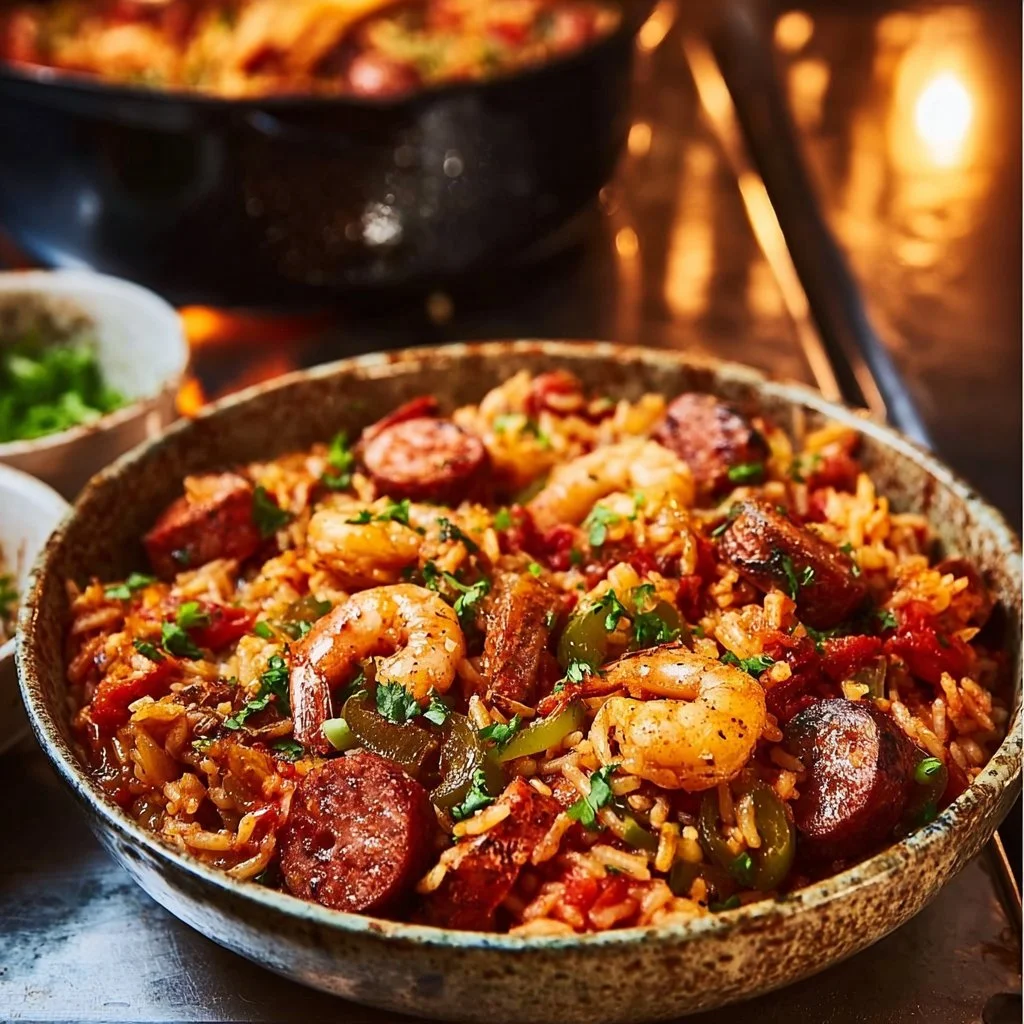
When making jambalaya, consider using a heavy-bottomed pot. This will help distribute heat evenly, preventing any scorching or burning. Additionally, if you prefer a spicier jambalaya, feel free to add a dash of hot sauce or include some diced jalapeños when cooking the vegetables. The beauty of jambalaya lies in its adaptability. You can add any leftover proteins like ham or crab meat or opt for a vegetarian version by swapping out the meat for more veggies or plant-based sausages.
Don’t hesitate to play around with the seasonings, too. Each region in Louisiana may boast its unique spin on jambalaya, and you should feel free to explore with smoked paprika, oregano, or even bay leaves for an added depth of flavor.
Storage & Reheating Tips
After enjoying your jambalaya, you may have leftovers—a delightful bonus! Store any uneaten jambalaya in an airtight container in the refrigerator for up to 3–4 days. If you want to keep it for longer, consider freezing it. Divide the jambalaya into individual portions or store it in one large container. Make sure to let it cool completely before freezing to preserve its taste and texture. In the freezer, it can last for up to three months.
When it comes to reheating, the stovetop works wonders. Transfer the jambalaya to a skillet and add a splash of chicken broth or water to prevent it from drying out. Heat it over low to medium heat until warmed through, stirring occasionally. Alternatively, you can use the microwave. Place the jambalaya in a microwave-safe bowl, cover it with a damp paper towel to keep moisture in, and heat it in short intervals, stirring in between, until piping hot.
FAQs
What is the origin of jambalaya?
Jambalaya originated in Louisiana, showcasing a fusion of Spanish, French, and African culinary influences. It likely developed from paella that Spanish settlers brought to the region.
Can I make jambalaya in advance?
Absolutely! Jambalaya tastes even better when allowed to sit for a while as the flavors meld together. You can make it a day or two ahead of time and reheat it when ready to serve.
Is jambalaya spicy?
Jambalaya can vary in spiciness, depending on the type of Cajun seasoning used and any added hot peppers. If you’re sensitive to spice, you can adjust the Cajun seasoning or choose a milder blend.
What type of rice should I use for jambalaya?
Long-grain rice is typically used for jambalaya, as it holds its shape well and absorbs flavors without getting mushy. Jasmine rice is a good option as well.
Can I use seafood other than shrimp?
Definitely! While shrimp is traditional, you can also use other seafood like scallops, clams, or crawfish. Just ensure that they’re added toward the end of cooking to avoid overcooking.
Is jambalaya gluten-free?
Yes, jambalaya can be gluten-free, as the core ingredients are typically meat, vegetables, rice, and spices. However, always double-check specialty seasonings and sausage, as some may contain gluten.
How do I know when the jambalaya is done?
The jambalaya is done when the rice is tender and has absorbed most of the liquid. You can taste a spoonful to confirm that it’s cooked to your liking.
Conclusion
In conclusion, jambalaya is more than just a meal; it’s an experience that brings people together. This vibrant dish combines flavors, cultures, and traditions, making it a treasured recipe in many households. Whether you’re cooking for a festive occasion or a simple family dinner, jambalaya promises to warm hearts and appetites alike. So gather your ingredients, follow the steps, and dive into this delicious world of flavors. Don’t wait any longer; try your hand at making jambalaya today, and bring a taste of Louisiana into your home!
Jambalaya
A classic Louisiana dish featuring a vibrant blend of ingredients including chicken, sausage, and shrimp, simmered together for a comforting one-pot meal.
Ingredients
Main Ingredients
- 1 tablespoon vegetable oil For sautéing
- 1 pound chicken thighs, diced Preferably thighs for tenderness
- 1 pound smoked sausage, sliced Andouille sausage recommended
- 1 medium onion, diced
- 1 bell pepper diced Red or green
- 2 stalks celery, diced
- 4 cloves garlic, minced
- 1 14.5-ounce can diced tomatoes With juices
- 4 cups chicken broth Rich broth for depth of flavor
- 2 cups long-grain rice Holds shape well during cooking
- 2 teaspoons Cajun seasoning For flavor depth
- 1 teaspoon dried thyme
- 1 pound shrimp, peeled and deveined Added towards the end of cooking
- to taste Salt and pepper For seasoning
- 2 green onions chopped for garnish
Instructions
Cooking the Meat
- Heat the vegetable oil in a large pot over medium heat.
- Add the diced chicken thighs and sliced sausage, sauté for 5–7 minutes until browned.
Adding the Vegetables
- Stir in the diced onion, bell pepper, and celery, and cook for about 5 minutes until softened.
- Add the minced garlic and sauté for another minute.
Cooking the Rice
- Pour in the diced tomatoes and chicken broth, scraping the pot's bottom.
- Stir in the Cajun seasoning, dried thyme, and rice.
- Bring to a boil, then reduce heat to low, cover, and simmer for 20 to 25 minutes.
Finishing Touches
- Add the shrimp, cover, and cook for an additional 5 minutes until shrimp are pink and cooked through.
- Season with salt and pepper to taste, and garnish with chopped green onions before serving.
Notes
Use a heavy-bottomed pot for even heat distribution. Add hot sauce or jalapeños for a spicier version. Feel free to use leftover proteins or make it vegetarian by substituting with vegetables.