
Follow Me On Social Media!


Beef Stew

Beef Stew
Beef stew is a classic comfort food that has graced our dining tables for generations. Its rich flavor and hearty ingredients reflect a timeless culinary tradition, uniting family and friends over a warm, satisfying meal. The beauty of beef stew lies not just in its taste but also in its versatility and the ability to adapt to local ingredients and personal preferences. This article will delve deep into the art of making a perfect beef stew, sharing valuable insights and tips to elevate your cooking experience. 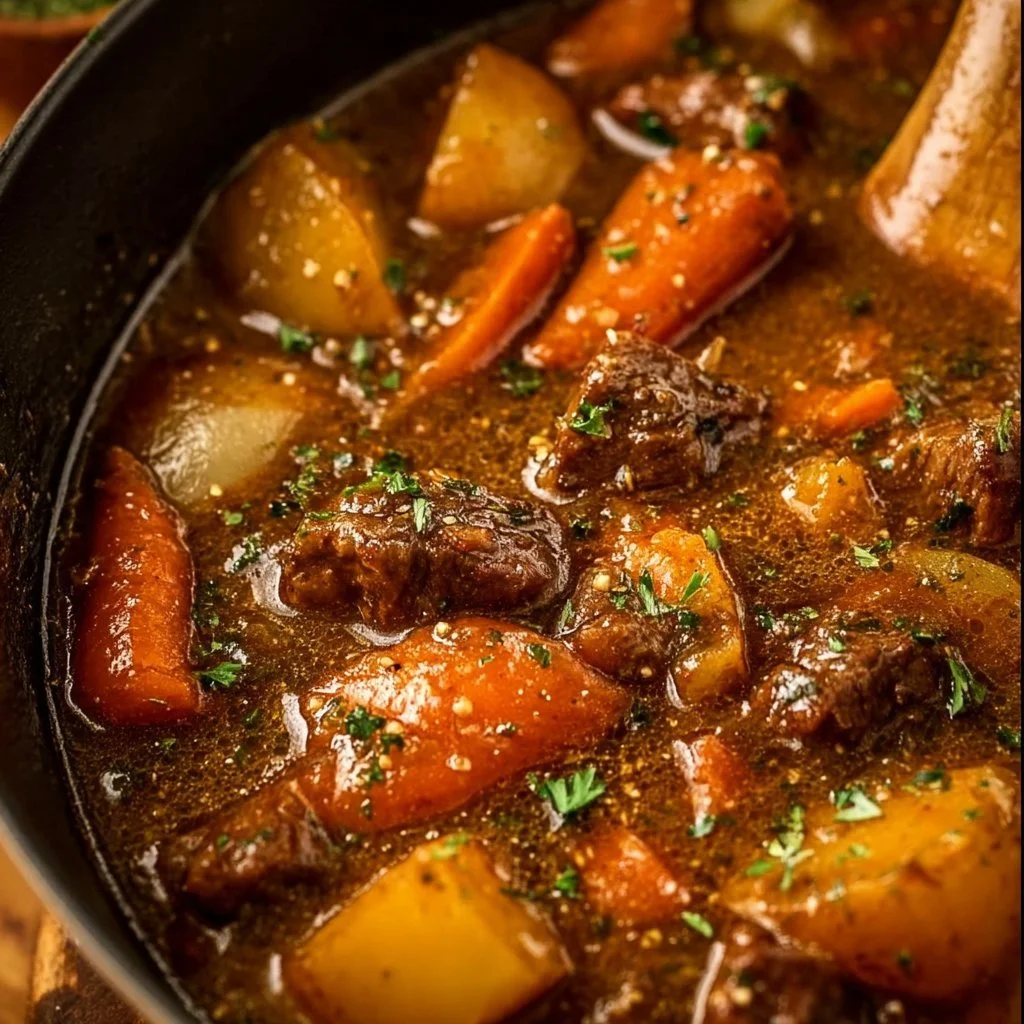
What Makes This Recipe Stand Out
What sets this beef stew recipe apart from countless others is the combination of carefully selected ingredients and the methodical approach to cooking. The flavor profile is robust yet balanced, featuring melt-in-your-mouth pieces of beef harmoniously mingling with an array of vibrant vegetables. What’s more, the slow simmering allows the flavors to meld beautifully, creating a culinary alchemy that captures the essence of a classic home-cooked meal.
Let’s not overlook the emotional connection many people have with beef stew. This dish often conjures fond memories of family gatherings or chilly days spent cozying up indoors. The inviting aroma that wafts through the house as it simmers on the stove can transport you to a place of comfort and nostalgia, reminding us of the love and warmth shared around the dinner table. Practically speaking, beef stew is also an economical choice; using tougher cuts of meat that become tender through slow cooking can be budget-friendly, yet the end result delivers a luxurious taste.
Moreover, beef stew is exceedingly adaptable. Feel free to experiment with different vegetables or spices, accommodating your taste preferences or utilizing what you have on hand. The recipe is forgiving and encourages creativity; however, the foundational flavors must remain respected to ensure authenticity. In summary, beef stew isn’t just a dish; it’s a deep-rooted tradition that connects us to our past while allowing us to create new memories.
Ingredient Breakdown
Before diving into the step-by-step preparation, let’s explore the primary components of this beef stew recipe:
- 2 tablespoons olive oil
- 2 pounds beef chuck, cut into 1-inch cubes
- 1 large onion, chopped
- 3 cloves garlic, minced
- 4 large carrots, sliced
- 4 medium potatoes, cubed
- 2 tablespoons tomato paste
- 1 teaspoon dried thyme
- 1 teaspoon smoked paprika
- 2 bay leaves
- Salt and pepper to taste
- 4 cups beef broth
The magic of beef stew lies in its ingredients, each serving a specific purpose in enhancing the overall dish. The olive oil serves as the cooking fat, infusing the beef with flavor, while also providing a medium for sautéing the aromatic onion and garlic. The beef chuck, a cut known for its rich marbling, becomes incredibly tender and delicious during the slow cooking process, making it the star of the show.
Onions and garlic are indispensable in building a well-rounded flavor base; the sweetness of the onions paired with the savory bite of garlic sets the stage for the other ingredients. Carrots and potatoes not only offer sweetness and creaminess but also enhance the dish’s heartiness. Tomato paste rounds out the flavor profile, introducing acidity that balances the richness of the beef. Thyme and smoked paprika contribute herbal notes and a subtle warmth, while bay leaves add a layer of complexity to the broth. Lastly, seasoning with salt and pepper is crucial for bringing all the flavors to life.
| Ingredient | Purpose |
|——————|———————————————|
| Olive Oil | Sautéing & flavor infusion |
| Beef Chuck | Primary ingredient, offers richness |
| Onion | Sweetness & flavor base |
| Garlic | Added depth of flavor |
| Carrots | Sweetness & texture |
| Potatoes | Creaminess & heartiness |
| Tomato Paste | Acidity & depth of flavor |
| Thyme | Herbal note |
| Smoked Paprika | Smoky warmth |
| Bay Leaves | Complex flavors |
| Salt & Pepper | Enhances overall taste |
Step-by-Step Preparation for Beef Stew
Let’s embark on this culinary journey to create a delightful beef stew that will warm your soul.
Step One
Start by heating two tablespoons of olive oil in a large pot over medium heat. It’s essential to choose a pot that has a heavy bottom to ensure even heat distribution, which prevents uneven cooking. Once the oil shimmers, add the beef cubes, making sure not to overcrowd the pot. Brown the cubes on all sides, taking about five to seven minutes. This step is crucial because browning the beef introduces a depth of flavor that forms the foundation of your stew. As you brown the beef, don’t rush. Allow each piece adequate contact with the heat, fostering that rich, savory crust that is the hallmark of a great stew.
Step Two
After achieving a beautiful brown exterior on the beef, it’s time to add the chopped onion and minced garlic. Stir these aromatic ingredients into the pot, cooking until the onion becomes translucent, which usually takes about three to five minutes. The aroma at this stage is incredible; the sweetness from the onions melds with the savory notes of the beef, creating an enticing scent that beckons everyone to the kitchen. Make sure to scrape up any browned bits stuck to the pot, known as fond, as they add concentrated flavor to your stew.
Step Three
Next, it’s time to introduce the vegetables. Add the sliced carrots and cubed potatoes to the pot, giving them a good mix with the beef and aromatics. Their vibrant colors brighten the dish, while they also contribute both taste and texture. Now, stir in the tomato paste along with the dried thyme, smoked paprika, and bay leaves. These components not only enrich the stew with flavor but also imbue it with warmth and complexity. Season with salt and pepper to taste, knowing that you can adjust these flavors later.
Step Four
Finally, pour in the beef broth. Bring the mixture to a gentle boil, then reduce the heat to low. Cover the pot and allow it to simmer for 1.5 to 2 hours. The magic happens during this slow cooking phase. As the beef gently simmers, it becomes incredibly tender, absorbing all the lovely flavors present in the pot. Stir occasionally—it’s easy to forget once it’s covered, but doing so helps ensure even cooking and that nothing sticks to the bottom. Before serving, don’t forget to remove the bay leaves, as they can be tough and not pleasant to chew. Once ready, serve the stew hot, encouraging everyone to enjoy a bowl or two; it’s the perfect meal to share. {image_template}
Full Cooking Directions
Begin by heating two tablespoons of olive oil in a large pot over medium heat. Add the beef cubes, ensuring they’re spaced out for even browning. Brown the cubes on all sides for about five to seven minutes. The goal is to create a beautiful crust that will elevate the dish’s flavor profile. Stir in the chopped onion and minced garlic, letting them cook until the onion is translucent, which takes about three to five minutes. The onions will soften, and the garlic will release its aroma—this combination is a warm welcome for your palate.
Once your aromatics are ready, it’s time to add the sliced carrots, cubed potatoes, tomato paste, thyme, smoked paprika, and bay leaves. Season this mix generously with salt and pepper to taste, then give everything a good stir. The colors will become vibrant, and the smells will entice anyone in the vicinity. Next, pour in the beef broth, watching it blend with the other ingredients to create a hearty liquid base. Bring this mixture to a gentle boil; then, reduce the heat to low, cover the pot, and let it simmer undisturbed for 1.5 to 2 hours. During this time, the beef will become melt-in-your-mouth tender while the flavors meld together beautifully. Stir occasionally and adjust the seasoning as necessary. Finally, remember to remove the bay leaves before serving this luscious stew.
To wrap it all up, gather your loved ones around the table and take a moment to appreciate the fragrant, warming dish before you. Enjoy!
Pro Tips & Extra Guidance
To elevate your beef stew beyond the standard offerings, consider implementing some pro tips. First, when selecting your beef, opt for cuts such as chuck or round, which are known for both flavor and texture. If you have time, marinating the beef in red wine overnight can further enhance its tenderness and add layers of flavor to the finished stew.
Varieties of vegetables can also be creatively integrated. For instance, parsnips, rutabagas, or even turnips may be substituted for potatoes if you want a twist on the classic. Also, remember that fresh herbs can be used towards the end of the cooking process for a bright flavor contrast. In the same vein, using fresh vegetables can create a fresher taste experience. Just add them in the last hour of cooking!
If you encounter any issues, such as the stew being too salty, one effective remedy is to add a raw potato during cooking and remove it before serving; it will absorb excess sodium. Conversely, should your stew lack richness, a spoonful of sugar or balsamic vinegar can often work wonders.
Finally, don’t be shy about experimenting with spices. A pinch of cumin or coriander can introduce an entirely new flavor dimension.
Best Practices for Storing & Reheating
When it comes to storing your leftover beef stew, proper techniques can help preserve its rich flavors. Begin by allowing the stew to cool completely at room temperature before transferring it to an airtight container. Make sure to divide larger portions into smaller ones, which helps it cool faster and also makes for easy reheating later. Stored this way, beef stew can last in the refrigerator for up to four days.
If you want to keep it longer, consider freezing portions of stew in freezer-safe containers or heavy-duty freezer bags. Properly stored, it can last for up to three months. To freeze, carefully label the containers with the date so you can monitor freshness.
Reheating beef stew is simple; if you’ve stored it in the refrigerator, just transfer a portion to a saucepan and gently heat on medium until warmed through, stirring occasionally. If you have frozen the stew, it’s best to thaw it overnight in the refrigerator. Alternatively, use the microwave if pressed for time—just ensure to stir halfway through the heating for even warming.
Common Questions Answered
What type of beef is best for stew?
For the most flavorful beef stew, choose cuts like chuck or round. These cuts are tougher, which means they benefit immensely from slow cooking that breaks down the muscle fibers and makes the meat tender.
Can I add other vegetables to my beef stew?
Absolutely! While carrots and potatoes are traditional, feel free to experiment with parsnips, sweet potatoes, or even mushrooms. Just make sure to adjust cooking time based on the vegetables’ sturdiness.
How can I thicken my beef stew?
If you desire a thicker consistency, you can create a slurry using cornstarch and cold water. Alternatively, removing some of the stew, blending it, and returning it to the pot can achieve a richer texture.
Is it necessary to brown the beef before adding broth?
Yes, browning the beef is critical. This step creates a desirable depth of flavor through the Maillard reaction, significantly enhancing the overall taste of your stew.
How do I know when the beef is tender?
The beef is tender when it easily breaks apart with a fork and feels soft to the bite. This usually occurs after 1.5 to 2 hours of simmering.
Can I make beef stew in a slow cooker?
Certainly! To adapt this recipe, brown the meat and aromatics in a skillet first, then transfer everything to a slow cooker. Cook on low for 6-8 hours or high for 3-4 hours.
Can leftover beef stew be frozen?
Yes! Leftover beef stew can be stored in the freezer for up to three months. Just make sure it cools completely before transferring it to freezer-safe containers.
Final Thoughts + Call to Action
Beef stew is more than just a meal; it’s a culinary experience that invites warmth and comfort into your home. This recipe encapsulates all that makes beef stew beloved across generations, guiding you step-by-step towards creating your own delectable version. Now it’s your turn to bring this comforting classic to your table. Dive into the process of making the perfect beef stew today, and share it with loved ones for a nourishing experience that you’ll cherish for years to come!
Beef Stew
A classic comfort food rich in flavor, featuring tender beef and hearty vegetables, perfect for cozy gatherings.
Ingredients
For the Stew
- 2 tablespoons olive oil For sautéing and flavor infusion
- 2 pounds beef chuck, cut into 1-inch cubes Primary ingredient that offers richness
- 1 large onion, chopped Provides sweetness and flavor base
- 3 cloves garlic, minced Adds depth of flavor
- 4 large carrots, sliced Offers sweetness and texture
- 4 medium potatoes, cubed Contributes creaminess and heartiness
- 2 tablespoons tomato paste Adds acidity and depth of flavor
- 1 teaspoon dried thyme Provides herbal note
- 1 teaspoon smoked paprika Imparts smoky warmth
- 2 leaves bay leaves Enhances complex flavors
- Salt and pepper to taste Enhances overall taste
- 4 cups beef broth Forms the base for the stew
Instructions
Preparation
- Heat two tablespoons of olive oil in a large pot over medium heat.
- Add the beef cubes in a single layer and brown them on all sides, about 5 to 7 minutes.
- Add the chopped onion and minced garlic, cooking until the onion is translucent, about 3 to 5 minutes.
- Stir in the sliced carrots and cubed potatoes, mixing well.
- Add the tomato paste, thyme, smoked paprika, bay leaves, salt, and pepper. Stir to combine.
- Pour in the beef broth and bring to a gentle boil.
- Reduce the heat to low, cover the pot, and let it simmer for 1.5 to 2 hours.
- Remove the bay leaves before serving.
Notes
For added flavor, consider marinating the beef in red wine overnight or experimenting with different vegetables.